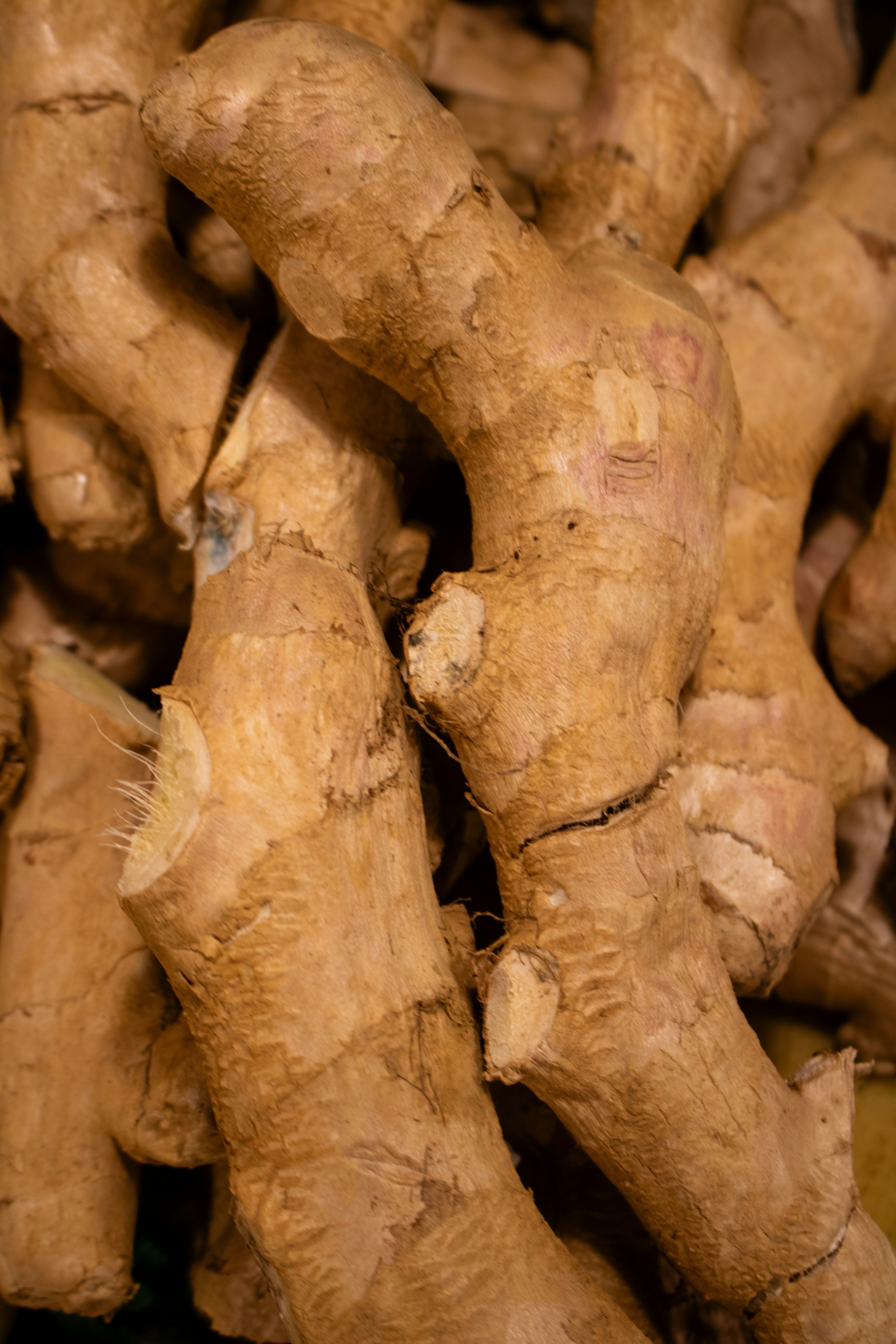
Misty hills of North East India at dusk

North East India · 90° East Meridian

90° EAST

Discover the Rare.

Chapter I · Nagaland & Assam

The Ghost

In the hills, they call it Bhut Jolokia — the ghost chilli. Old stories say its heat could drive spirits from a house. What the stories rarely mention is the flavour underneath: dried apricot, woodsmoke, a sweetness that arrives before the fire does.

The heat itself is patient. It builds for a full minute, holds, and recedes like a tide — which is exactly why the people who grow it cook with it every day.

Each pod is picked by hand at full ripeness, when the skin turns from embered orange to deep red. A single harvest travels from the hillside to our drying racks within a day — nothing sits, nothing is blended, and every batch can be traced to the village that grew it.
Recorded peak heat

0SHU

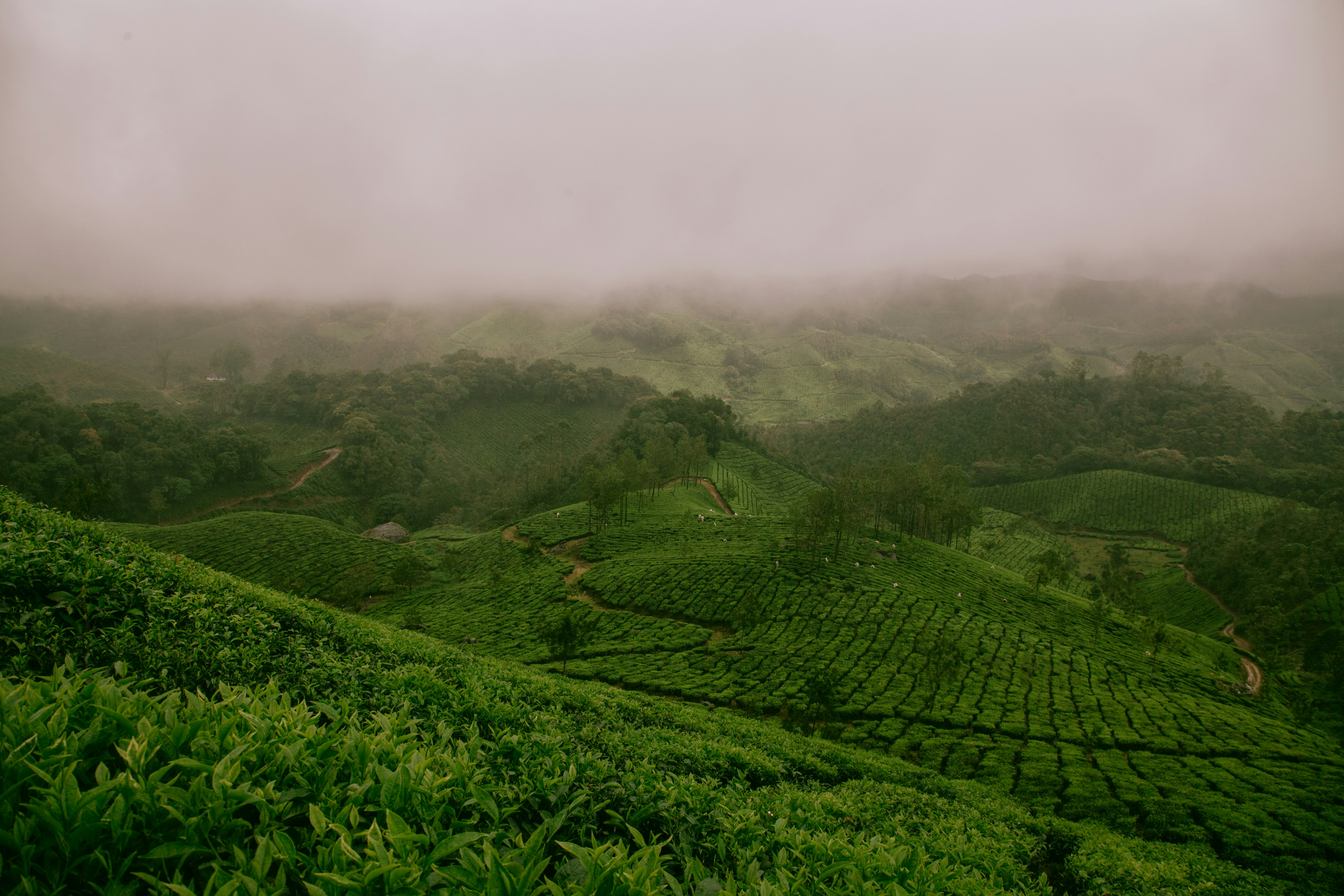
Ripe Bhut Jolokia ghost pepper, freshly harvested

Harvested by hand · Smoke-dried in the village

2007

Certified the world's hottest chilli by Guinness World Records

≈200×

Hotter than a jalapeño, pod for pod, at its recorded peak

Weeks

Pods are traditionally smoke-dried above the kitchen hearth

One pod

Enough to season a family's cooking pot for days

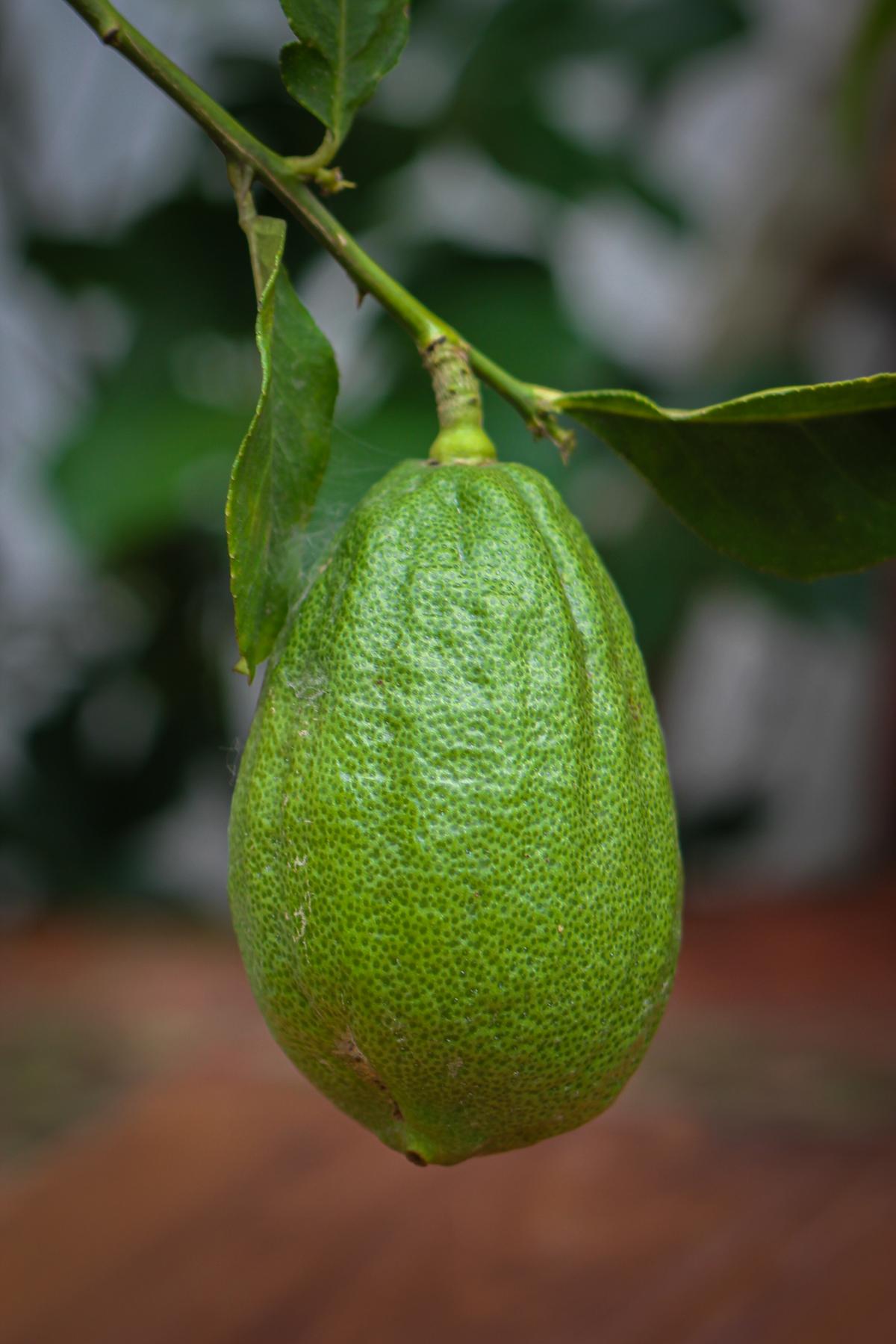
Kaji Nemu, Assam's signature elongated lemon

Chapter II · Kamrup, Assam

Kaji Nemu

A lemon the length of a palm, perfumed like a garden after rain. Its juice stays gentle — sour without the sting — which is why every Assamese thali ends with a wedge of it. Outside these valleys, it is almost impossible to find.

GI-tagged since 2019 · Assam's state citrus

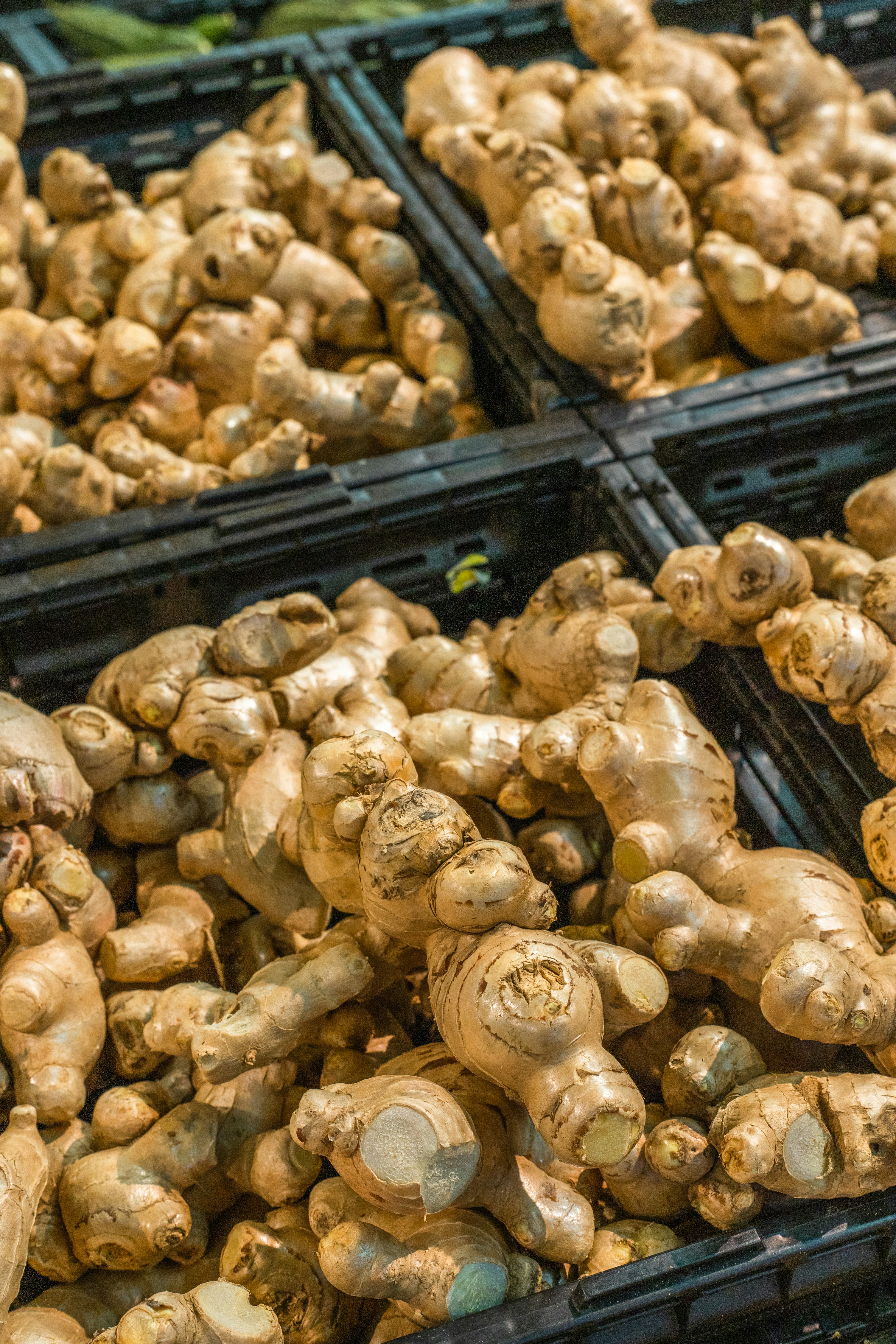
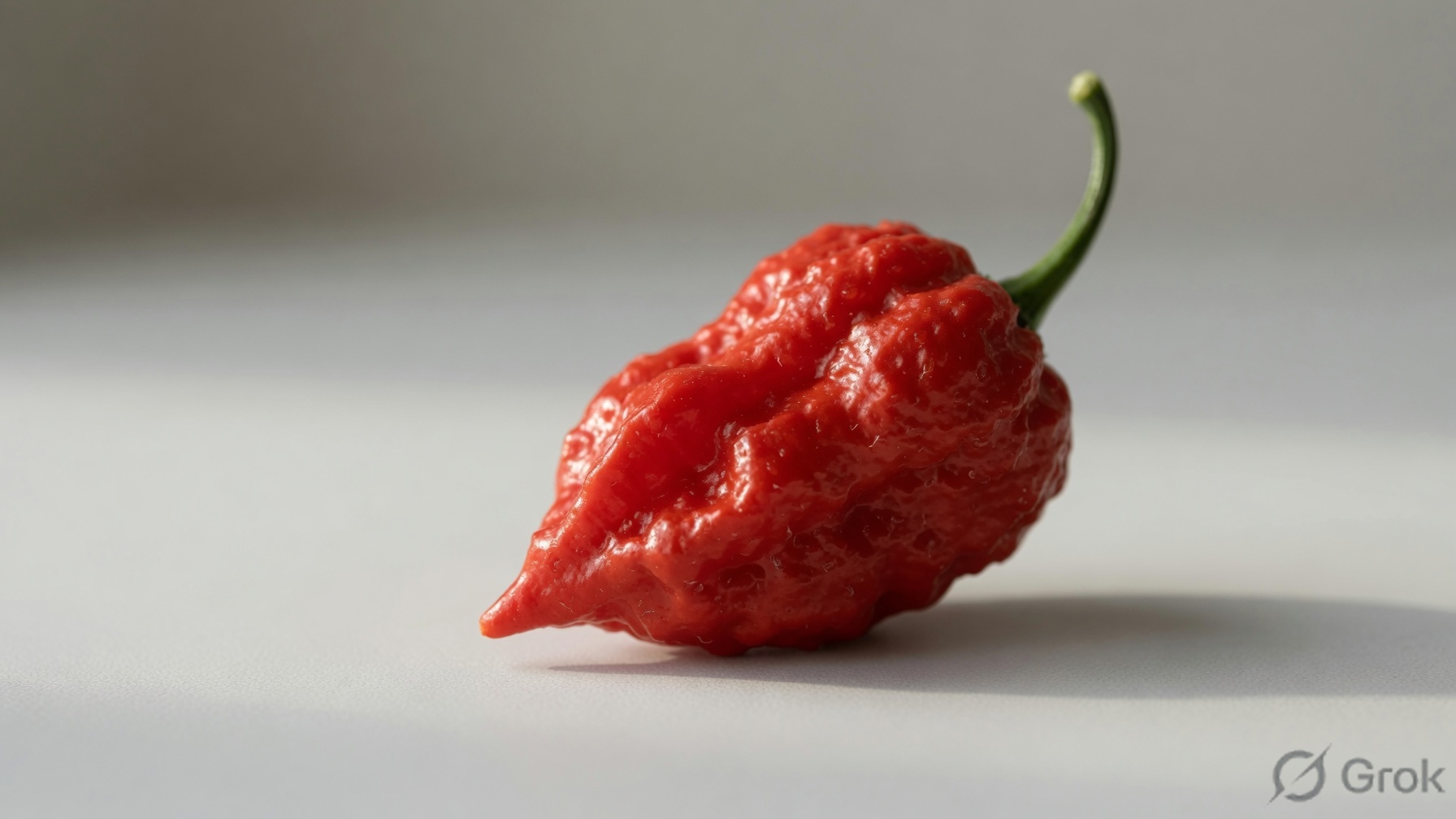
Freshly dug Assam hill ginger

Chapter II · Dima Hasao, Assam

Assam Ginger

Hill ginger snaps clean — almost no fibre, and essential oils so concentrated that cooks use half of what a recipe asks. Grown in rotation on jhum plots the way it has been for generations, and dug only after you order.

Dug to order · Shipped within 48 hours

Chapter III · The Meridian

Along 90° East

The 90th meridian east runs through the heart of these hills. Every ingredient we carry can be traced to a farm or forest along it. Select a region to see what grows there.

90° EAssamNagalandManipurArunachal PradeshMeghalaya

Assam

River valleys and low hills — home of the GI-tagged Kaji Nemu.

  • Kaji Nemu
  • Assam Ginger
  • Bhut Jolokia
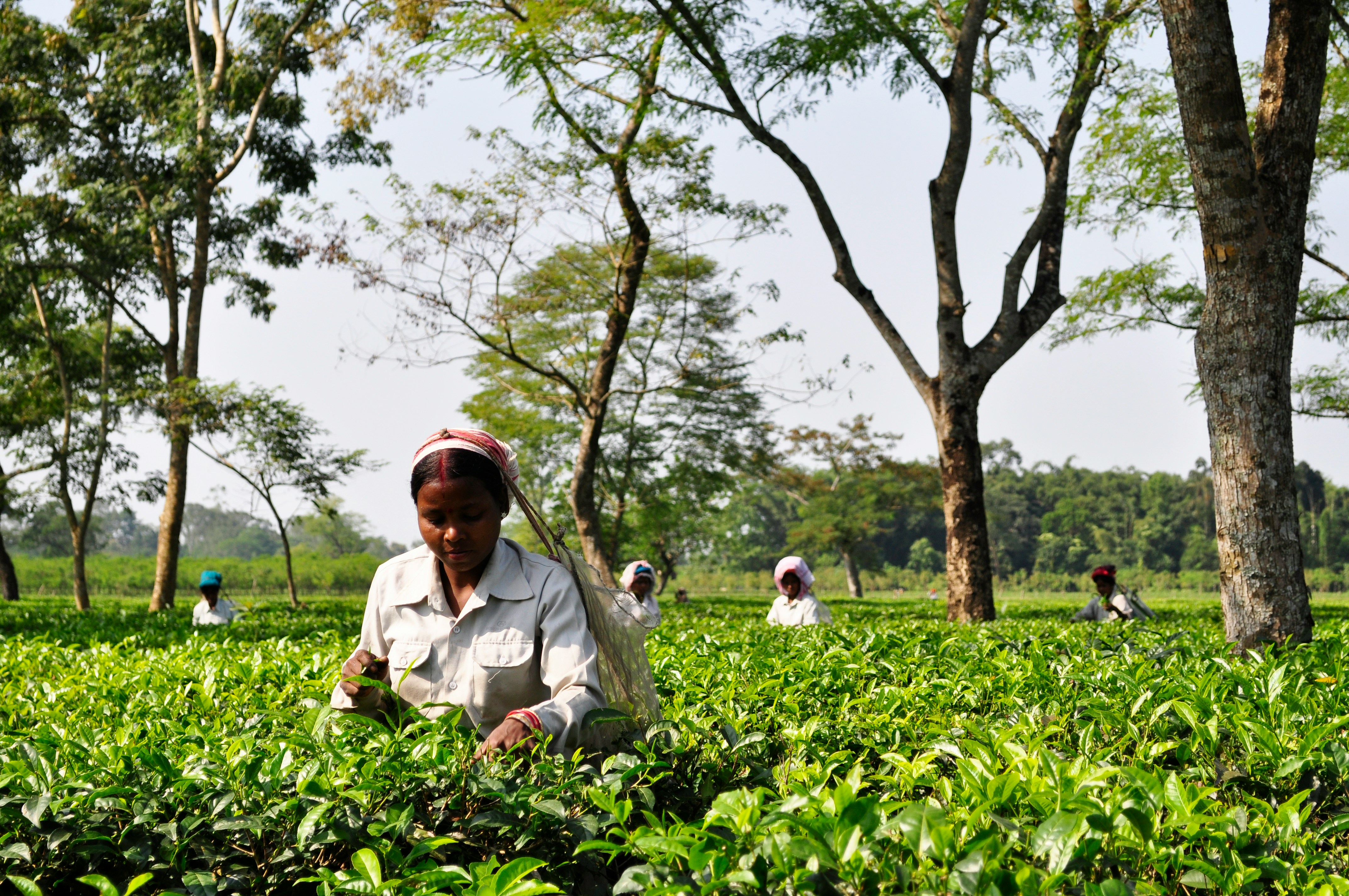
Farmers working the fields of North East India

Chapter IV · The Living Tradition

Every seed here has a keeper.

These varieties survive because families chose, season after season, to keep growing them. When you cook with 90 East°, you become part of that choosing — a fair harvest price to the farmer, and a rare flavour kept alive for one more generation.

Discover the Rare.

The Story

From the hills, without shortcuts

90 East° is a small team with a simple rule: the ingredient, the farmer and the story travel together, or not at all.

Why we exist

The most remarkable ingredients in India grow east of the 90th meridian — and most of the country has never tasted them. 90 East° exists to close that distance without flattening what makes these ingredients rare.

Direct sourcing

We buy directly from smallholder farmers and foragers in Assam, Nagaland, Manipur, Arunachal Pradesh and Meghalaya, at prices agreed before the season begins. No middle layers, no anonymous lots.

Respect, first

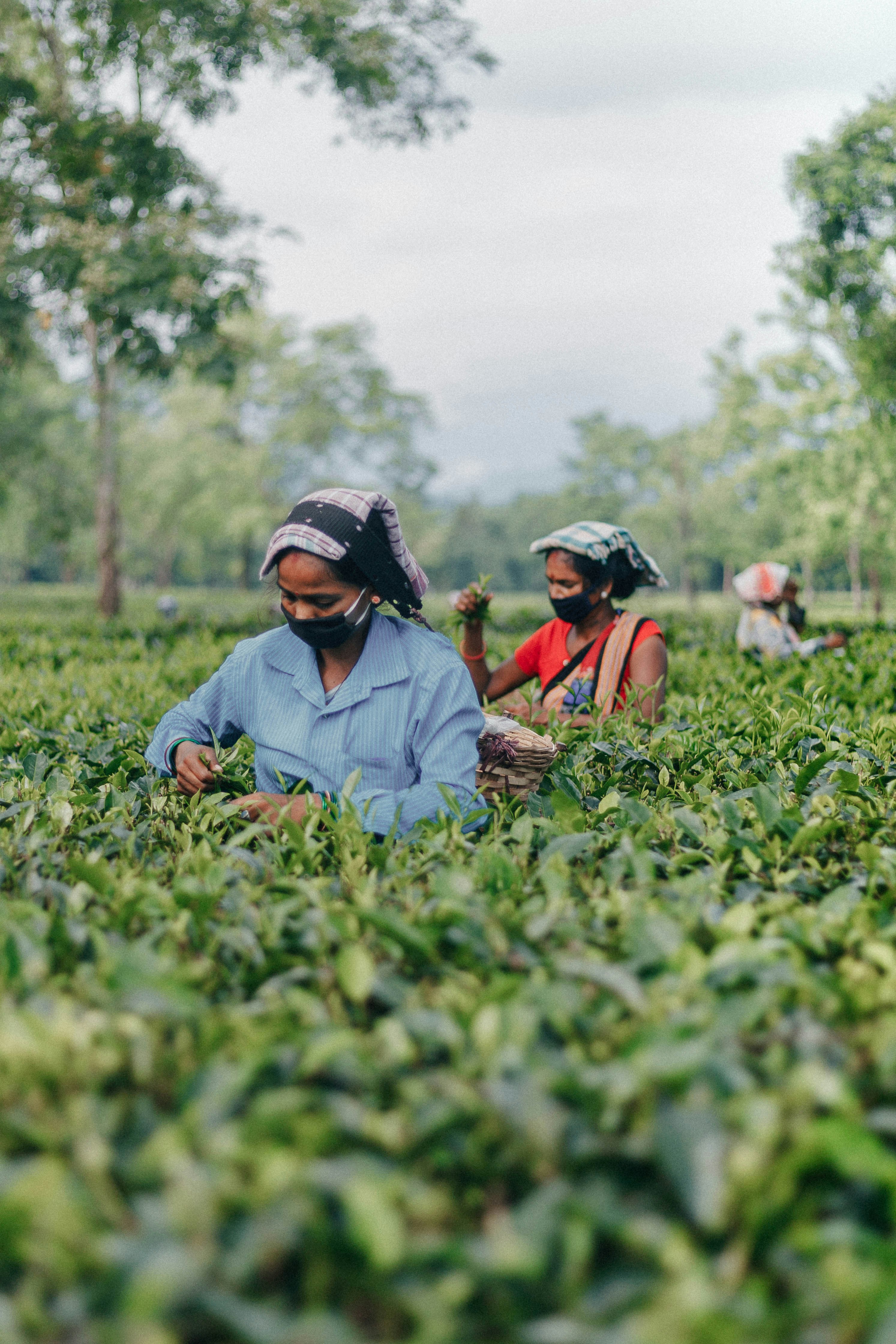
Indigenous knowledge decides how these crops are grown, harvested and prepared. Our job is logistics and storytelling — the expertise was here long before us, and it stays with the people it belongs to.

Farm workers among the green hills of Assam

“We are not selling heat. We are carrying stories that happen to be delicious.”

— The 90 East° founding note

The Marketplace

Small harvests, honestly priced

Everything below was grown or foraged along the 90th meridian east, and every purchase pays the farm before it pays us.

Heat up to

Bhut Jolokia Whole Dried Pods

Sun-dried king chilli from the hills of Nagaland. Fruity, smoky, patient heat.

This season's lot: 214 packs remaining

₹649

Bhut Jolokia Fine Powder

Stone-ground ghost pepper. A quarter teaspoon changes everything.

₹549

Kaji Nemu Pickle

Assam's GI-tagged lemon, salt-cured the old way. Bright, bitter-sweet, alive.

Only 38 jars left this season

₹449

Fresh Assam Ginger

Low-fibre, high-oil hill ginger. Seasonal, dug to order.

Seasonal — shipping resumes each harvest

₹299

Ghost Fire Signature Blend

Our house blend: Bhut Jolokia, smoked salt, hill garlic, roasted sesame.

₹749

Kaji Nemu + Ginger Digestive Tisane

Sun-dried citrus peel and sliced hill ginger. An after-dinner ritual.

₹399

Limited Harvest Naga King Chilli Oil

Cold-infused for 40 days. Numbered bottles from a single harvest.

Bottle 112 of 400

₹899

Discover the Rare — Gift Box

Six miniatures from across the hills, with a field-notes booklet.

Made in batches of 100

₹1,899

From the Hills

Stories worth the shipping

Dispatches from the farms, forests and kitchens along the meridian.

Folklore

The Legend of the Ghost Pepper

Before the record books found it, Bhut Jolokia was a household guardian — smeared on fences, hung by doorways, folded into stories told to children.

6 min readRead
Field Notes

Why Assam Ginger Tastes Different

It comes down to soil, slope and patience: jhum rotation, hill drainage and a harvest calendar that follows the mist, not the market.

5 min readRead
People

Meet the Farmers Protecting Rare Varieties

Three families, three hillsides, one shared refusal: to replace their grandmother's seed stock with anything higher-yielding and hollower-tasting.

9 min readRead
Provenance

Kaji Nemu: A Lemon Worth a GI Tag

What the Geographical Indication actually protects — and why a Kaji Nemu grown outside the Brahmaputra valley simply isn't the same fruit.

7 min readRead

Community

Word from the table

The Kaji Nemu pickle tastes like my grandmother's kitchen in Jorhat. I didn't think that flavour could survive a courier box. It did.
Ritumoni B. · Bengaluru

Grown with the hills, not against them. Every 90 East° partner farm follows traditional low-input cultivation, and 5% of each order funds seed banks that keep these rare varieties in the ground for the next generation.